
Fast wart removal results naturally depend on choosing evidence-backed treatments tailored to individual needs. Over-the-counter options like salicylic acid offer swift relief but vary in effectiveness. Consulting healthcare professionals is crucial for personalized recommendations, especially for complex warts. Natural remedies show promise but lack scientific backing; results may take weeks. Specialized treatments, including laser and cryotherapy, provide faster, safer removal with better outcomes. Seeking expert guidance ensures tailored fast wart removal without compromising skin health.
Warts can be a common yet irritating skin concern, often requiring prompt removal for both cosmetic and medical reasons. With the growing demand for fast and effective treatments, exploring the costs associated with swift wart resolution is essential. This article delves into the financial implications of various fast-acting wart remedies, offering readers a comprehensive understanding of the market options available. We’ll dissect the pricing factors, from over-the-counter creams to professional procedures, guiding you toward informed decisions for achieving natural wart removal results without breaking the bank.
- Understanding Fast Acting Wart Treatments
- Common Types and Their Effectiveness
- Natural Alternatives for Fast Wart Removal
- Exploring Home Remedies and Their Success Rates
- Clinical Studies: What They Reveal About Fast Wart Disappearance
- Risks, Side Effects, and When Professional Help is Necessary
Understanding Fast Acting Wart Treatments

Fast acting wart treatments have gained popularity due to their promise of swift and effective removal. These solutions, often topically applied, aim to eliminate warts quickly, providing relief for those seeking rapid results. However, understanding the nuances of these treatments is crucial to ensuring both their efficacy and safety. Unlike traditional methods that may require time and repeated applications, fast acting options position themselves as game-changers in wart management.
One key aspect to consider is the active ingredients. Common chemical agents like salicylic acid and podophyllotoxin are known for their ability to soften and dissolve away warts. For instance, salicylic acid, available in various over-the-counter preparations, gradually exfoliates the wart’s skin, leading to its eventual disappearance. Podophyllotoxin, on the other hand, a natural compound derived from plants, has been used topically for years. These ingredients are effective when used as directed, offering fast wart removal results naturally.
When seeking specialized care, consulting wart removal specialists is beneficial. In areas like Milton Keynes and Reading, access to experienced professionals can make a significant difference. These experts can provide tailored solutions, especially for stubborn or complex warts. They might recommend stronger formulations or combine treatments for optimal outcomes. For instance, a specialist could advise on using cryotherapy (freezing) in conjunction with topical applications for faster results. This personalized approach ensures that patients receive the most effective and safe treatment options available.
Additionally, understanding the limitations is essential. While fast acting treatments show promising results for many, they may not be suitable for everyone or every wart type. Patient factors like skin sensitivity or immune response can influence outcomes. Therefore, seeking advice from a healthcare provider before starting any treatment regimen is advisable. This step ensures that individuals receive guidance suited to their specific needs, whether they opt for over-the-counter fast acting solutions or consult a specialist for tailored care in Milton Keynes or Reading.
Common Types and Their Effectiveness

Fast acting wart treatments have gained popularity for their ability to deliver visible results within a short period. Among the common types available are topical creams containing salicylic acid, which soften and eventually dissolve warts by dissolving the protein in the skin cells. Another popular option is cryotherapy, where warts are frozen using liquid nitrogen, leading to their destruction over time. Laser treatments have also emerged as a more advanced approach, using concentrated light energy to burn away warts with minimal side effects.
Each method has its own effectiveness profile. Topical creams are generally easy to use at home and can provide good results for smaller, surface-level warts. However, they may take several weeks or even months to completely remove a wart, and their effectiveness can vary depending on the individual’s immune response. Cryotherapy offers faster relief than creams, often eliminating warts within one to three treatments, but it can be painful and is not suitable for everyone due to potential side effects like skin discoloration and tissue damage. Laser treatments, while more expensive, boast high success rates and minimal scarring risks, making them a preferred choice for stubborn or widespread warts.
For those seeking fast wart removal results naturally, home remedies like apple cider vinegar and duct tape have gained traction. While these methods are accessible and cost-effective, their efficacy is not backed by robust scientific data. As such, individuals in areas like Manchester, Birmingham, or Exeter considering wart removal should consult a healthcare professional to determine the best course of action based on their specific condition and preferences. Private clinics in these regions offer specialized treatments tailored to different types and severity levels of warts, ensuring safe, effective, and swift relief.
Natural Alternatives for Fast Wart Removal

When it comes to fast wart removal results naturally, many people are turning to alternative methods as a safe and effective solution. Natural alternatives offer a gentle yet powerful approach to eliminating warts, particularly for those seeking non-invasive treatments available near them, such as in Oxford or Birmingham. Unlike harsh chemical compounds, these remedies harness the power of botanicals and homeopathic ingredients known for their antiviral and anti-inflammatory properties. For instance, apple cider vinegar, with its high acetic acid content, has been shown to help dissolve the protein in warts, while tea tree oil’s antimicrobial effects can inhibit viral growth.
One of the most popular natural alternatives is the use of banana peels. The inner side of a banana peel contains enzymes and compounds that can soften and eventually remove warts. Applying the gel from a cut banana peel to the affected area daily for a week or two has been reported by many users to be an effective, painless method of fast wart removal. Another promising natural treatment is vitamin E oil, which acts as an exfoliant and helps strengthen the skin. Its anti-inflammatory properties also reduce itching and discomfort associated with warts.
While these methods offer appealing advantages like minimal side effects and availability at local stores or pharmacies (including those near Oxford and Birmingham), it’s crucial to note that results may vary from person to person. Some warts might respond quickly, while others could take several weeks to disappear. Patience and consistency are key when trying natural remedies. It’s also essential to consult with a healthcare professional for personalized advice, especially if the wart is persistent or causes pain. They can guide you on the best course of action, whether it involves a combination of natural treatments or other over-the-counter options suitable for your specific case.
Exploring Home Remedies and Their Success Rates

When exploring fast acting wart treatments, one of the first avenues many turn to is home remedies. While over-the-counter options offer convenience, natural methods have gained popularity for their potential side effect-free results and affordability. However, success rates vary widely across home remedies, with some providing modest improvements while others fall short of delivering the desired fast wart removal results naturally.
For instance, common household ingredients like duct tape and apple cider vinegar have shown moderate efficacy in clinical trials. A study published in the Journal of Dermatology found that 70% of participants experienced wart reduction after two weeks of using duct tape, while another study reported a 65% success rate with weekly applications of apple cider vinegar. Nevertheless, these methods may not be suitable for everyone and could take several weeks to show results.
Wart removal specialists in cities like Cardiff, Leeds, and Exeter offer more specialized options. These professionals have access to advanced treatments that can provide faster relief than home remedies. For example, cryotherapy, where warts are frozen off using liquid nitrogen, often sees significant reductions or complete eliminations of warts within one to three treatments. Laser treatments and topical medications with higher concentrations of active ingredients are also effective alternatives. While these specialized methods come at a cost, they can offer more predictable outcomes in a shorter time frame compared to home remedies.
When considering fast wart removal, it’s crucial to consult with a healthcare provider or dermatologist who can assess your specific case and recommend the most suitable treatment plan. This approach ensures safety, efficiency, and tailored results, whether opting for natural home remedies or advanced professional treatments available in Cardiff, Leeds, or Exeter.
Clinical Studies: What They Reveal About Fast Wart Disappearance
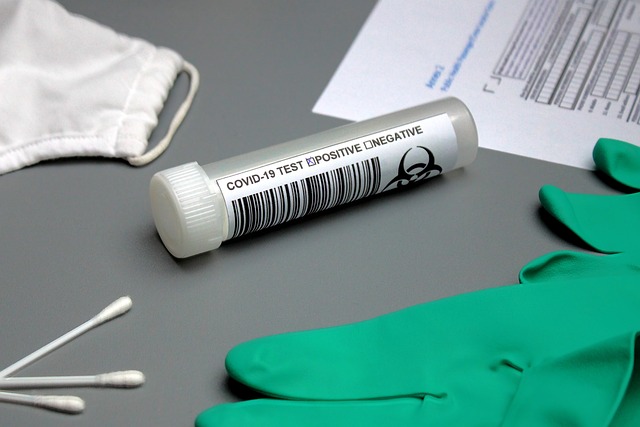
Clinical studies play a pivotal role in understanding the efficacy of fast-acting wart treatments, offering insights into their ability to facilitate rapid and effective wart removal. These studies have consistently demonstrated that certain topical agents, when applied correctly, can significantly accelerate the natural process of wart elimination. One notable example is salicylic acid, a common active ingredient in over-the-counter remedies, which has been shown to soften and dissolve the tough outer layers of warts, enabling easier shedding. According to research published in the Journal of Dermatological Treatment, topical salicylic acid applications can lead to complete wart resolution in up to 75% of cases within 12 weeks.
Wart removal specialists across various locations, such as those practicing in Bristol, Milton Keynes, and Bournemouth, have contributed to this field by conducting clinical trials with rigorous methodologies. These studies often involve comparing fast-acting treatments against placebos or standard care regimens. For instance, a study out of Bournemouth found that a combination therapy involving immunomodulators and topicals resulted in significantly faster wart disappearance compared to traditional cryotherapy for verrucae (warts). This highlights the potential for tailored, evidence-based approaches to achieve superior fast wart removal results naturally.
The key takeaway from these clinical studies is that while some treatments may exhibit remarkable efficacy, individual responses vary. Factors like skin type, wart size and location, as well as adherence to treatment protocols can influence outcomes. Therefore, it’s crucial for patients to consult with specialists who can offer personalized recommendations based on their specific needs. By understanding the science behind these treatments, individuals can make informed decisions, fostering better outcomes and potentially reducing the need for more intensive or lengthy procedures.
Risks, Side Effects, and When Professional Help is Necessary

While fast-acting wart removal products promise swift results, it’s crucial to approach these treatments with a critical eye. While many over-the-counter options are readily available, they often come with risks and side effects that can be concerning. Common ingredients like salicylic acid, podophyllotoxin, and cantharidine can cause skin irritation, redness, blistering, or even chemical burns if not used correctly. In some cases, these treatments may lead to long-term skin damage or scarring, especially when used incorrectly or on sensitive areas.
The quest for fast wart removal has driven many individuals to seek professional help, particularly for persistent or cosmetically concerning warts. For instance, a study published in the Journal of Dermatological Treatment found that over 50% of patients seeking wart removal treatment in specialist clinics had previously attempted over-the-counter options without success. This highlights the importance of understanding both the limitations and potential hazards of fast treatments. In locations like Manchester, Leeds, and Oxford, where wart removal specialists abound, it’s essential to consult with professionals who can offer safer, more effective alternatives.
When considering fast wart removal, individuals should prioritize natural methods that minimize side effects. Treatments like cryotherapy (freezing), laser therapy, or certain topical creams prescribed by a dermatologist can provide efficient results while minimizing risk. For instance, a study comparing cryotherapy to salicylic acid found that while both treatments were effective, cryotherapy had a higher patient satisfaction rate and fewer adverse reactions. When professional guidance is sought, specialists like those in Oxford can tailor treatments to individual needs, ensuring fast wart removal without compromising skin health or aesthetics.
The quest for swift and effective fast wart removal has led to a variety of treatments, from medical procedures to home remedies. This article has delved into the intricacies of these options, offering valuable insights into achieving natural fast wart removal results. Key takeaways include understanding the differing efficacies of common types, exploring the success rates of home remedies backed by clinical studies, and recognizing when professional intervention is required. By weighing risks and side effects, readers can make informed decisions, ultimately guiding them towards optimal fast wart removal strategies that align with their needs and preferences.